Dear Woman of God,
That Holy stirring in your spirit, that undeniable, unshakable knowing isn't a mistake. It's a mandate.
God has placed a call on your life, specifically for pulpit ministry, and now you're asking the most faithful question of all: "What's next?"
You're not alone. You are standing on the shoulders of prophetic giants—Black women preachers, evangelists, and pastors who forged paths through wildernesses of doubt and opposition. They heard the same voice, answered the same call, and left a roadmap for us to follow.
This is your divine equipping site. Here, we connect the sacredness of your calling with the practical resources to fulfill it. We honor the legacy of those who paved the way, provide the resources for your journey today, and build a community that believes in your tomorrow.
Scripture assures us that God doesn't just call the equipped; He equips the called. Your next step is here. Let's walk in it together!
From the Founder of Divinely Called


The Legacy
Did you know your voice stands on the shoulders of generations of pioneering women? This timeline highlights just a few U.S. trailblazers who preached, pastored, and paved the way with unwavering faith.
.png)


The Roadmap
There is no single, direct linear path to ministry. It is a journey of discernment, equipping, and responding to a specific calling. The first step is indeed to prayerfully define the area God is calling you to, which often aligns with specific roles and titles within the body of Christ.
Here is an expanded framework for understanding these roles:
Foundational Protestant Titles (Local Church Focus).These are the most common leadership roles within a local Protestant congregation:
-
Bishop: (From Greek for "overseer") An ordained minister of high rank who oversees a geographic region (a diocese). They have the authority to ordain new priests and deacons and ensure doctrinal consistency.
-
Pastor: (From Latin for "shepherd") A teacher and leader of a local church or congregation. Their primary role is to shepherd the flock through preaching, teaching, counseling, and providing spiritual direction. Often the primary leader.
-
Minister: A broad term for anyone commissioned to perform religious functions. While often used interchangeably with "pastor," it can be a more general title for someone in service (e.g., "youth minister," "music minister").
-
Elder: A leadership role found in many Protestant denominations (e.g., Presbyterian, Reformed, some non-denominational churches). Elders are often responsible for the spiritual oversight, governance, and discipline of the church alongside the pastor.
-
Deacon: (From Greek for "servant") Focuses on the practical and service-oriented needs of the church community, such as benevolence, building management, and logistical support. This is often seen as a first step into formal church leadership.
-
Preacher: A title emphasizing the primary gift and function of proclaiming sermons from the Bible. While many pastors are preachers, not all preachers are pastors. This can be a formal role or a descriptive title for someone with a specific gifting in proclamation.
Specialized and Contextual Ministry Roles. These roles take ministry outside the traditional church building and into specific contexts.
-
Chaplain: A ordained minister or religious representative who serves in a secular institution such as a hospital, military unit, university, prison, or corporation. They provide spiritual care, counseling, and religious services to people within that institution.
-
Missionary: A person sent on a religious mission, typically to promote their faith and provide humanitarian service in another culture or country.
-
Evangelist: Someone specifically called to preach the Christian gospel with the aim of converting new believers. This can be within a local church or as a traveling minister.
-
Theologian / Professor: Someone called to academic study and teaching of the Christian faith, often serving at a seminary, university, or college.
Formal Titles of Respect (Used before a name). These are not roles themselves but honorifics used when addressing clergy.
-
Reverend (Rev.): A style of address for many Christian clergy (e.g., Rev. Smith). It is not a specific role but a title of respect.
-
The Right Reverend (Rt. Rev.): Often used for Bishops.
-
The Most Reverend (Most Rev.): Often used for Archbishops.
The Path to Equipping: Next Steps
Once you have a sense of the area God is calling you to, the next step is intentional equipping. This generally involves:
Personal Discipleship: Deepening your own relationship with God through prayer, study, and community.
Formal Education: Most leadership roles require a theological education. This can range from a Certificate to a Master of Divinity (M.Div.) degree from an accredited seminary or theological school.
Denominational Requirements: Each denomination or network has its own specific process for ordination (official recognition for ministry), which may include exams, interviews, and approval from existing leaders.
Practical Experience: Serving in your local church, often starting in volunteer roles, internships, or as a deacon, is invaluable.
Now you can begin to navigate the practical pathways, from theological education to pulpit preparation, with clarity and confidence.
The Community
Connect with a sisterhood of women who get it—because they’re answering the very same call.
Additional Resources
Audio/ Video


.jpg)
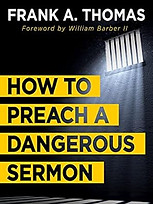
Click on book for preview or purchase recommended readings